



Salisbury Playhouse’s powerful production of The Beekeeper of Aleppo offers a haunting, humane evening of theatre that lingers long after the final blackout. Drawing on Christy Lefteri’s acclaimed novel, this interpretation finds fresh immediacy in a story that feels close to today’s headlines, without losing sight of the intimate love story at its heart.
The play follows Nuri, a Syrian beekeeper, and his artist wife Afra as their peaceful life in Aleppo is shattered by war. Forced to flee their home and hives, they embark on a perilous journey through camps, safe houses and border crossings towards an uncertain future in the UK, carrying grief, guilt and fragile hope.
Central to this is Nuri’s beekeeping and his deep connection to bees. The bees become a quiet metaphor for fragility, community and the possibility of renewal, their ordered world standing in stark contrast to the chaos imposed on Nuri and his family. Moments that recall the hum of the hives and the delicate care of tending them bring a lyrical tenderness that offsets the brutality of displacement.
As in the book, the play shifts between two main timelines – 2011 in Aleppo and 2015 in the UK – to mirror the fractured, looping nature of the characters’ trauma and journey. The fast‑paced action on stage can at times make it challenging to keep track of exactly where we are in that chronology, but I didn't feel this detracted from the overall quality or emotional impact.
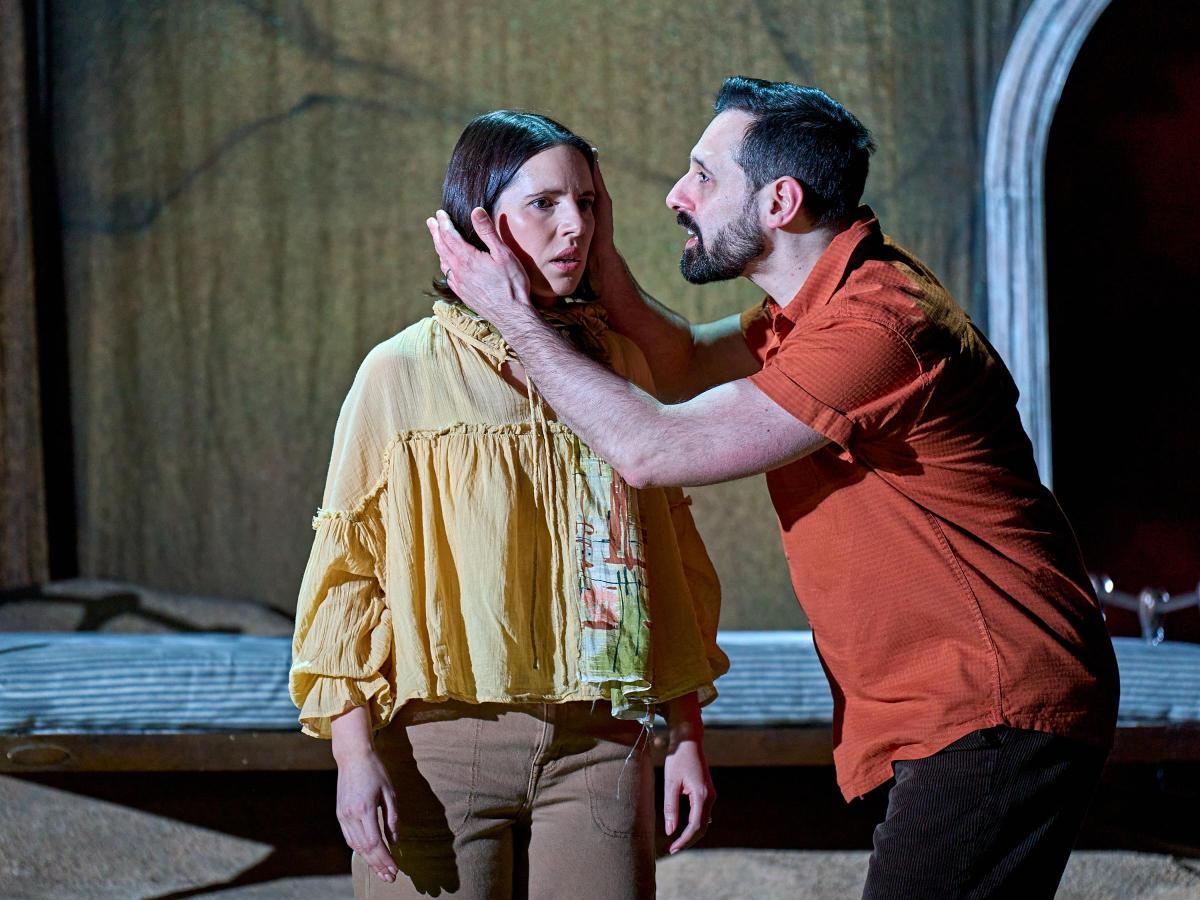
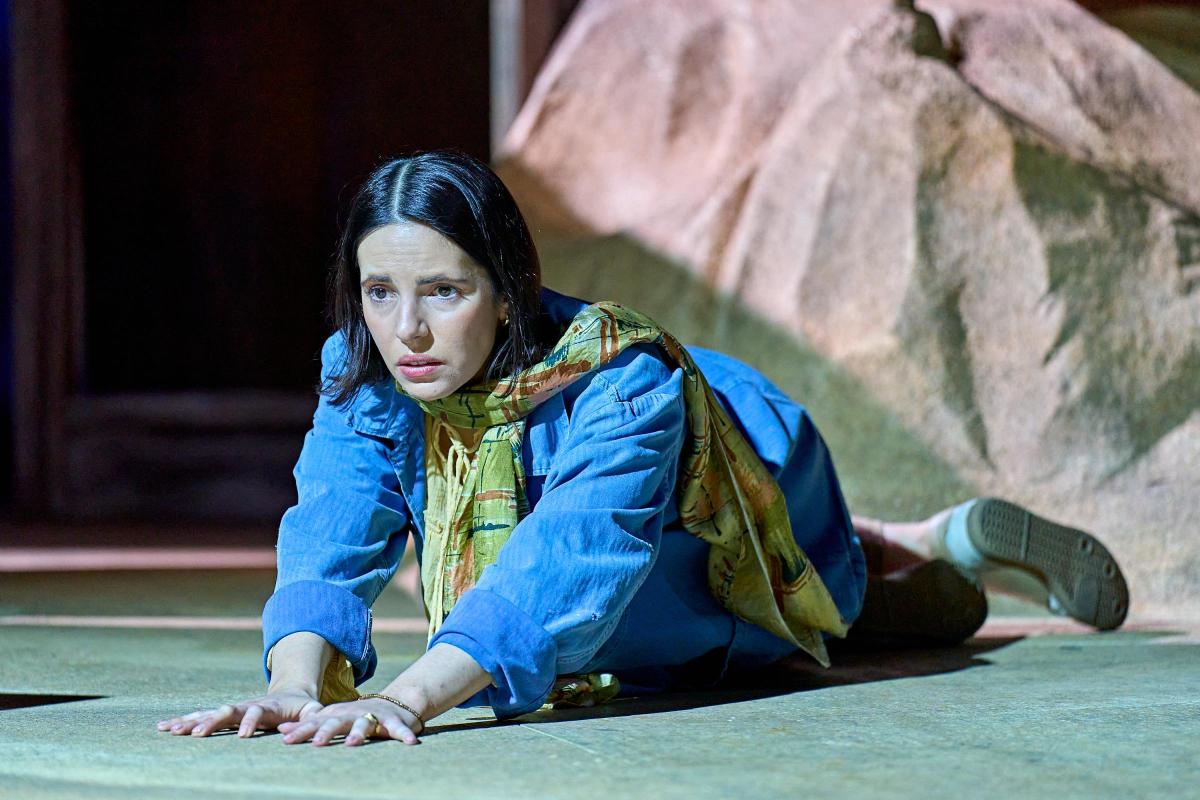
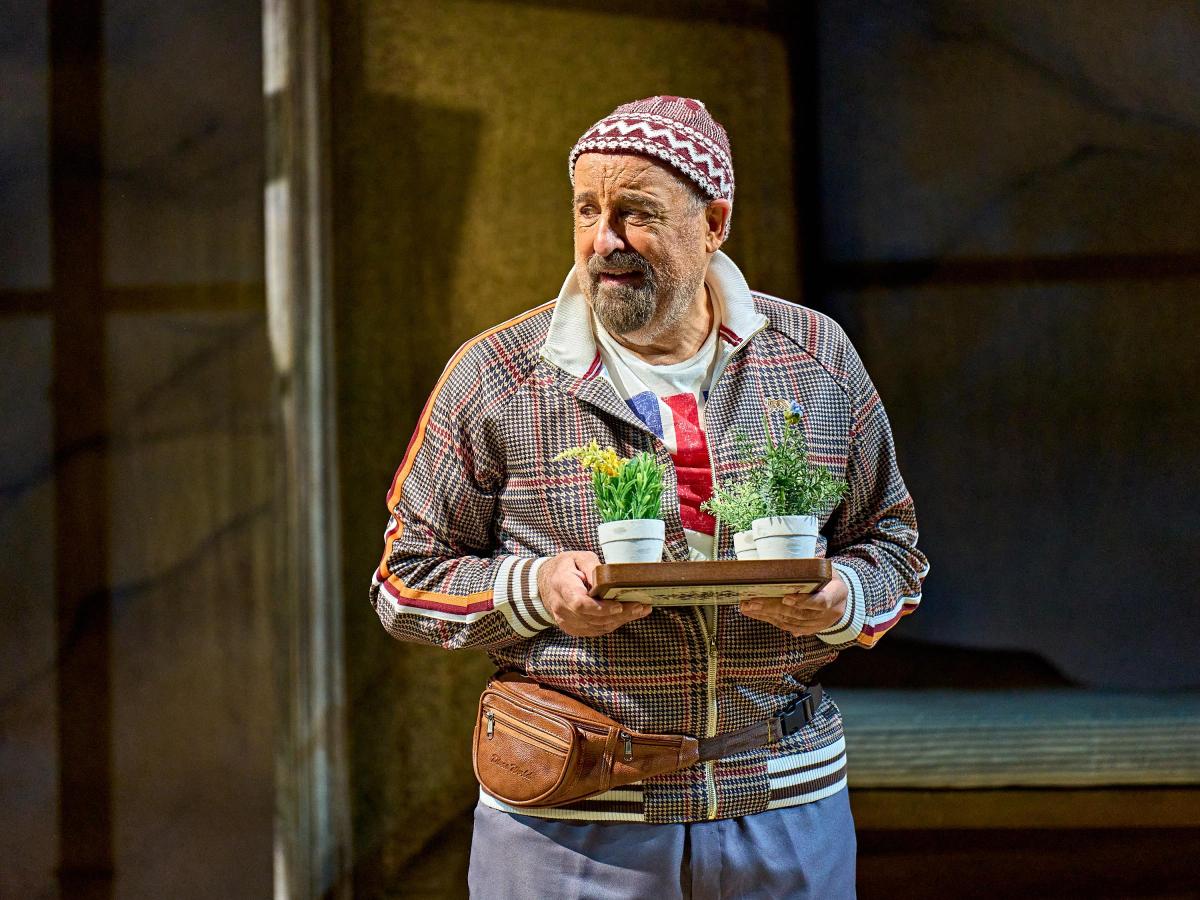
The acting across the ensemble is consistently strong. On the night I saw the production, Aram Mardourian, standing in as the protagonist Nuri, is excellent, charting the beekeeper’s quiet, inward collapse with remarkable nuance. Opposite him, Farah Saffari’s Afra combines fragility and fierce determination. Joseph Long brings gravitas and warmth to Mustafa, while his unsettling Moroccan man adds tension and humanity. Meanwhile, Dona Atallah is excellent in her childlike portrayal of both Mohammed and Sami.
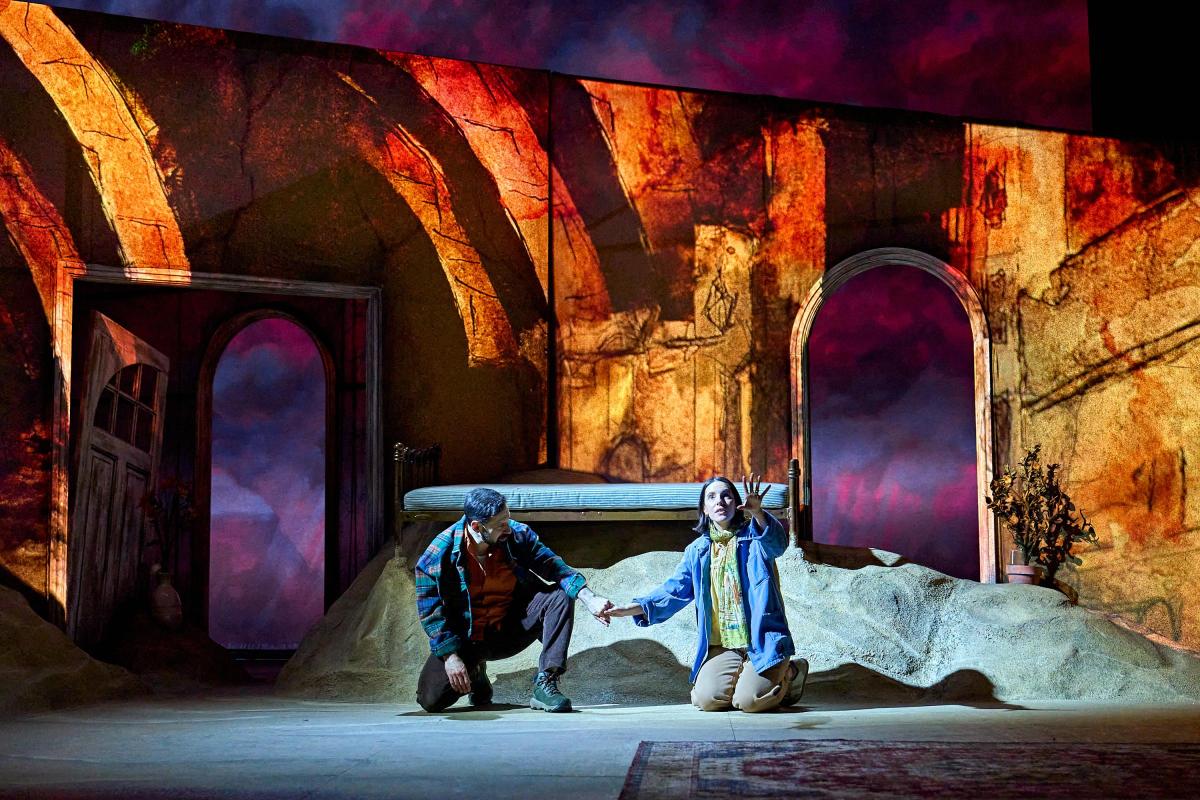
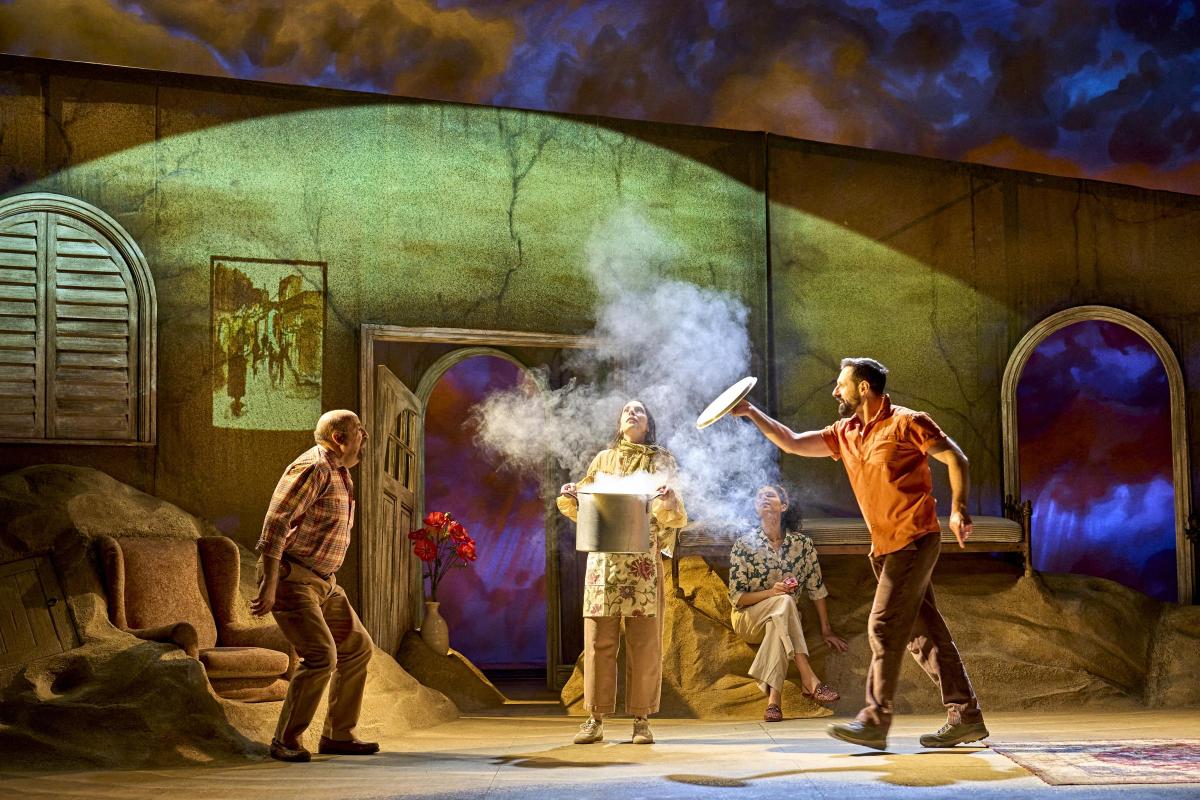
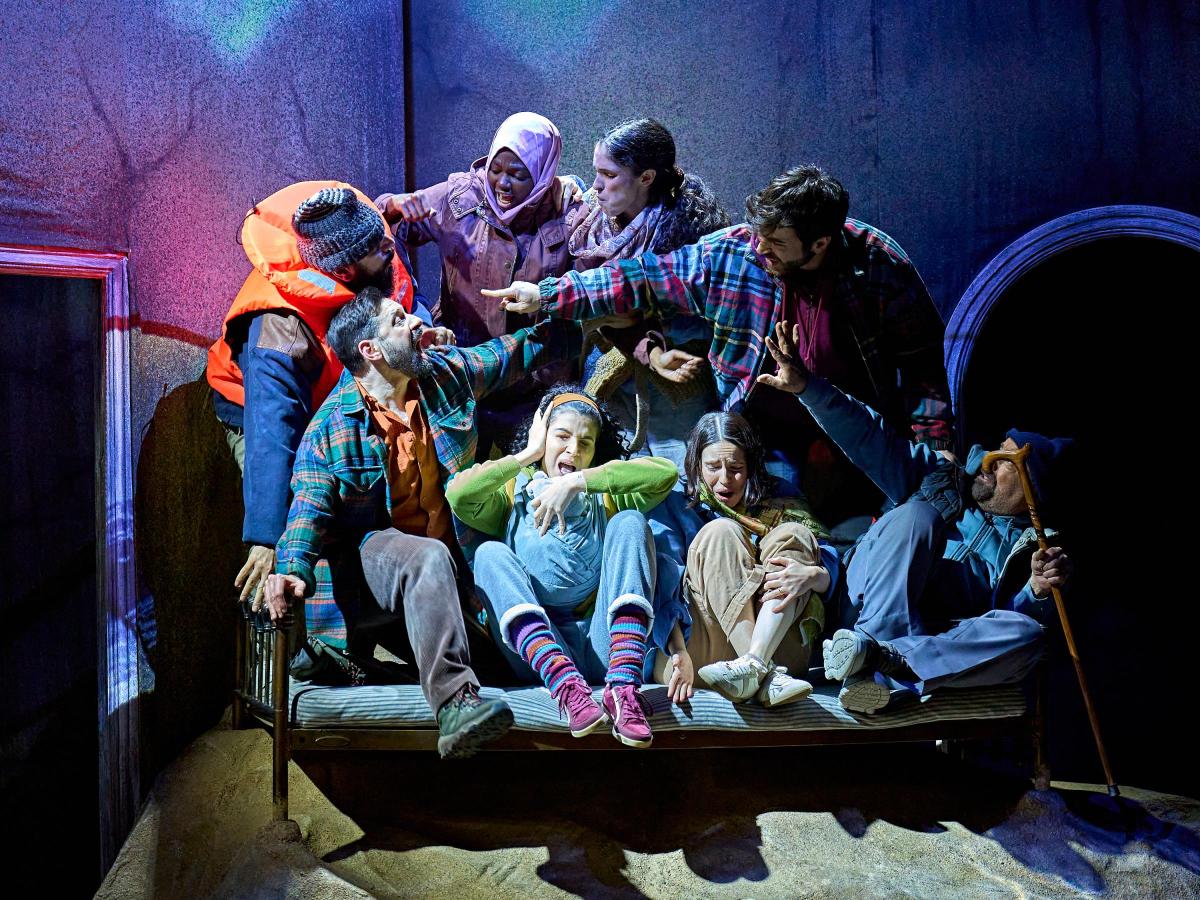
Staged on a simple but striking set, the production relies on suggestion rather than spectacle. A few key elements are reimagined and repurposed to evoke home, camp, border crossing and bureaucratic limbo, allowing the audience’s imagination to fill in the devastating gaps. Ably directed by Anthony Almeida, this pared‑back approach, combined with textured sound and tightly focused lighting, makes the moments of violence and loss all the more affecting. Intelligent lighting, especially in the harrowing boat sequences, conjures claustrophobia and mounting panic.
The Beekeeper of Aleppo is not an easy watch, but it is an essential one.


Share